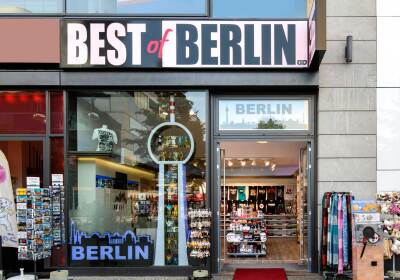
Brandenburg Gate

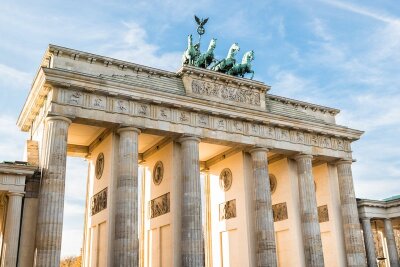
The Brandenburg Gate is a historic monument located in the heart of Berlin, Germany. It was built in the late 18th century as a symbol of peace and unity, and has since become one of the most iconic landmarks in the city.
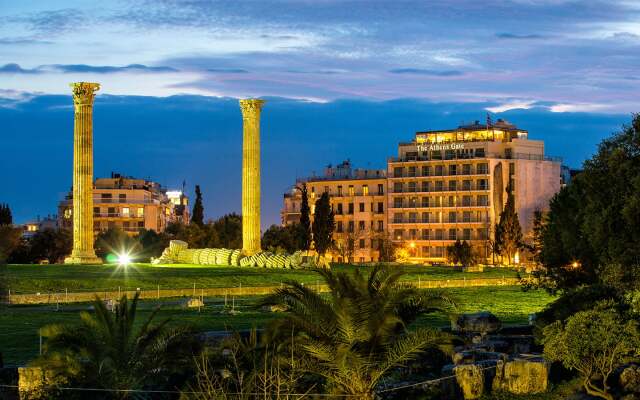
The gate consists of twelve Doric columns that support a grand neoclassical structure topped with a statue of a chariot drawn by four horses. The design was inspired by the Propylaea gateway in Athens, Greece, and reflects the architectural style popular during the time it was constructed.
Throughout its history, the Brandenburg Gate has been at the center of many significant events, including Napoleon's occupation of Berlin, World War II, and the division of East and West Berlin during the Cold War. Following German reunification in 1990, it became a symbol of unity and freedom for all Germans.
Today, the Brandenburg Gate is a popular tourist attraction and serves as a backdrop for various cultural events and celebrations. It stands as a reminder of Germany's tumultuous past and its enduring commitment to peace and democracy.
Quaint Market Towns
The Brandenburg Gate in Berlin, Germany is a historic landmark that has played various roles throughout its history. Built in the late 18th century as a symbol of peace and unity, the gate has since been used for a variety of purposes, including as a market town.
In the early 19th century, the area surrounding the Brandenburg Gate was developed into a bustling market town. Vendors would set up stalls selling goods such as produce, meats, cheeses, and other local products. The market town became a popular destination for locals and visitors alike to shop for fresh food and unique items.
Over time, the market at Brandenburg Gate grew in size and popularity, attracting more vendors and customers from all over Berlin. The vibrant atmosphere of the market town added to the charm of the historic landmark, making it a must-visit destination for those looking to experience traditional German culture.
Today, while the Brandenburg Gate is no longer used as a market town, it remains an iconic symbol of Berlin and continues to attract tourists from around the world. The gate serves as a reminder of its rich history and significance in German culture, while also standing as a testament to the resilience and unity of the city.
-thumb.jpg)
-thumb.jpg)
-thumb.jpg)