
Villages by Country



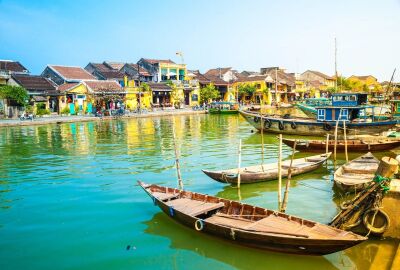
Villages are small, rural settlements that are typically located away from urban centers. They are characterized by a close-knit community of residents who often rely on agriculture or other primary industries for their livelihoods. Villages can be found all over the world, from the remote highlands of Nepal to the rolling hills of Tuscany.
In many parts of the world, villages serve as important cultural and historical landmarks, preserving traditional ways of life and customs that have been passed down through generations. These communities often have strong social ties and a sense of collective identity that is deeply rooted in their shared history and heritage.
Villages can vary greatly in size and population, with some being home to just a few hundred people while others may have several thousand residents. They can also differ in terms of infrastructure and amenities, with some villages having modern conveniences like electricity and running water while others may still rely on more traditional methods for basic services.
Overall, villages play an important role in maintaining biodiversity and sustainable living practices across the globe. They offer a glimpse into simpler ways of life and provide a sense of connection to nature that is often lacking in more urbanized areas. Despite their differences, villages around the world share a common thread of community spirit and resilience that continues to endure through changing times.