
Cultural Villages by Country
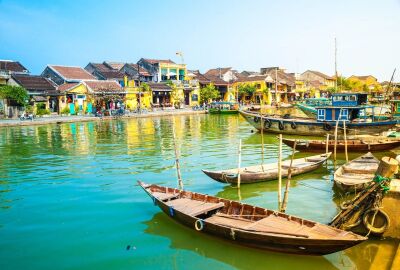
Cultural villages are unique destinations that offer visitors the opportunity to immerse themselves in the traditions, customs, and way of life of different cultures from around the world. These villages are designed to showcase the rich cultural heritage of a particular region or community, providing an authentic and educational experience for tourists.
One such cultural village is the Māori Village in Rotorua, New Zealand. Here, visitors can learn about the indigenous Māori people through traditional performances, hands-on activities, and guided tours of a recreated village complete with meeting houses and sacred sites. The village offers a glimpse into the daily life and customs of the Māori people, allowing visitors to gain a deeper understanding and appreciation for their culture.
In South Korea, there is the Korean Folk Village located in Yongin. This open-air museum features over 260 traditional Korean houses from various regions across the country, showcasing different architectural styles and ways of life. Visitors can participate in cultural workshops, watch performances of traditional music and dance, and sample authentic Korean cuisine.
Another notable cultural village is Shangri-La Tibetan Village in Yunnan Province, China. This picturesque village is nestled in the Himalayan mountains and offers visitors a chance to experience Tibetan culture firsthand. Visitors can explore ancient monasteries, witness colorful festivals and ceremonies, and interact with local artisans practicing traditional crafts such as thangka painting and wood carving.
Overall, cultural villages provide a valuable opportunity for travelers to connect with diverse cultures on a deeper level while supporting local communities and preserving intangible heritage for future generations to appreciate.