Meiji Shrine
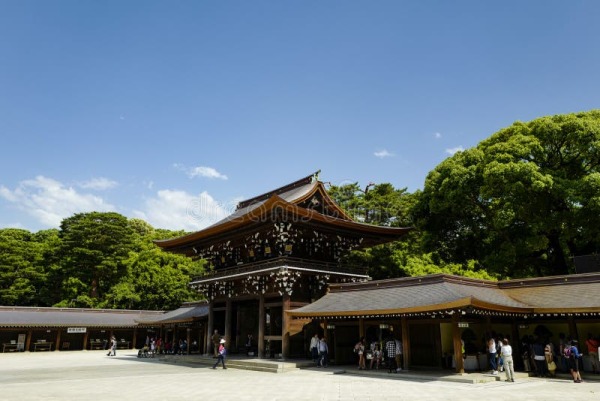
Meiji Shrine, located in Shibuya City, Kanto, is one of the most famous and important Shinto shrines in Japan. It was established in 1920 to honor Emperor Meiji and Empress Shoken, who played a significant role in modernizing Japan during the Meiji Restoration.
The shrine is set within a lush forested area, providing a peaceful and serene atmosphere for visitors to enjoy. The entrance to the shrine is marked by a massive torii gate made of cypress wood, which stands as a symbol of the transition from the mundane world to the sacred grounds of the shrine.
Visitors can explore the expansive grounds of Meiji Shrine, which include beautiful gardens, traditional wooden buildings, and ceremonial halls where worshippers come to pay their respects and offer prayers. The shrine also houses various cultural artifacts related to Emperor Meiji and Empress Shoken.
One of the most popular attractions at Meiji Shrine is its large courtyard where traditional Shinto weddings are held. Visitors may be lucky enough to witness a wedding procession or ceremony taking place during their visit.
Overall, Meiji Shrine is not only a place of worship but also a cultural landmark that offers insight into Japan's history and traditions. It remains an important site for both locals and tourists seeking spiritual solace or simply looking to immerse themselves in Japanese culture.
Quaint Market Towns
Meiji Shrine, located in Shibuya City, Kanto, is a Shinto shrine dedicated to Emperor Meiji and Empress Shoken. It was established in 1920 and is one of the most popular tourist attractions in Tokyo.
While Meiji Shrine is primarily known as a place of worship and a symbol of Japanese culture and history, it has also been used as a venue for quaint market towns. These market towns are typically held on special occasions or festivals, where local artisans and vendors gather to sell their handmade crafts, traditional foods, and other goods.
The market towns at Meiji Shrine offer visitors a unique opportunity to experience traditional Japanese culture and craftsmanship. Visitors can browse through stalls selling items such as pottery, textiles, jewelry, and souvenirs. They can also sample delicious street food like yakitori (grilled chicken skewers), takoyaki (octopus balls), and taiyaki (fish-shaped cakes filled with sweet red bean paste).
Overall, the market towns at Meiji Shrine provide a charming glimpse into Japan's rich cultural heritage while offering visitors the chance to purchase authentic handmade goods from local artisans.



-thumb.jpg)