Eiffel Tower
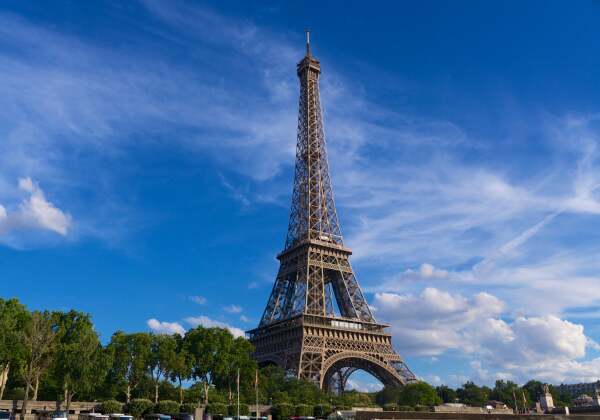
The Eiffel Tower is one of the most iconic landmarks in the world, located on 5 Avenue Anatole France in Île-de-France, Paris. Designed by Gustave Eiffel and completed in 1889 for the World's Fair, it was initially met with criticism but has since become a symbol of France and a popular tourist attraction.
Standing at 1,063 feet tall, the Eiffel Tower offers stunning views of Paris from its three observation decks. Visitors can take an elevator or climb the stairs to reach these platforms and enjoy panoramic vistas of the city below.
The tower is made of iron lattice and has become a masterpiece of engineering and design. It has also served various purposes over the years, including as a radio transmission tower and as a backdrop for numerous cultural events.
Today, the Eiffel Tower remains one of the most visited landmarks in the world, attracting millions of tourists each year. Its beauty and grandeur continue to captivate visitors from around the globe, making it an enduring symbol of French culture and history.
Quaint Market Towns
The Eiffel Tower, located on 5 Avenue Anatole France in Île-de-France, is one of the most iconic landmarks in the world. Built in 1889 for the World's Fair, it was initially intended to be a temporary structure. However, due to its popularity and significance as a symbol of Paris, it was preserved and has since become a major tourist attraction.
While the Eiffel Tower is primarily known as a monument and observation tower, it has also been used for various other purposes over the years. One such use was as a market town during the early 20th century. In an effort to revitalize the area surrounding the tower and provide local residents with access to fresh produce and goods, small markets were set up at its base.
These quaint market towns offered a unique shopping experience for both locals and tourists alike. Vendors sold everything from fruits and vegetables to handmade crafts and souvenirs. The atmosphere was lively and bustling, with people coming from all over to browse the stalls and sample local delicacies.
While the market towns at the Eiffel Tower were eventually phased out as commercial districts developed around the area, they remain a fond memory for those who experienced them. Today, visitors can still find small markets scattered throughout Paris that offer a similar charm and sense of community.
Overall, the Eiffel Tower's brief stint as a market town serves as a reminder of its versatility and adaptability over time. From hosting grand events to providing space for